Packing Equipment Lifespans
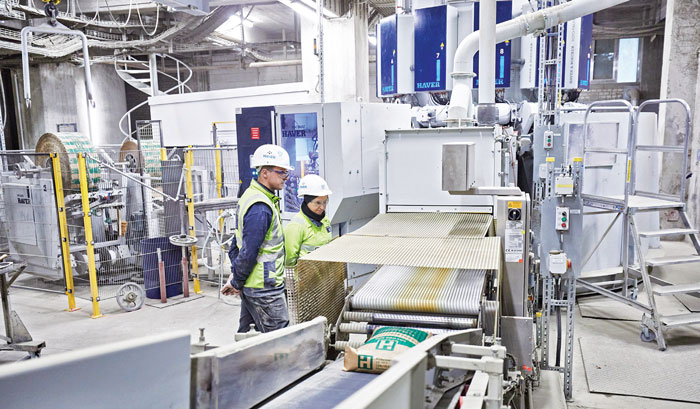
Rüdiger Reckmann, Technical Sales Manager, HAVER & BOECKER, favours targeted rebuilding of controls, dosing systems and wear components to extend machine life and efficiency.
Cement, chemical, food and building material producers can’t afford downtime as their success depends on maintaining continuous production. Trucks keep arriving, production orders pile up, and packing demands don’t stop. This constant barrage of activity can strain equipment nearing the end of or exceeding its intended design life. While a packing machine isn’t likely to stop working entirely, its control systems, human-machine interfaces (HMIs) and dosing components are usually the first to fail.
Although machines can be replaced, upgrading critical components during scheduled maintenance is often the most practical solution, especially when the hardware is still in good condition. Planned upgrades not only extend operational life and performance but also significantly reduce disruption by replacing worn components during scheduled maintenance intervals rather than reacting to a sudden failure. Equipment upgraded before a breakdown typically avoids long lead times after unplanned outages. This allows companies to maintain high operational performance without having to invest time and money in purchasing and installing new machinery.
Why modernisation matters
Facilities with outdated systems are operating with two major risks: equipment breakdowns and falling short of regulatory requirements that govern safety, environmental impact and product quality. In many plants, the first problems appear in the control system and electronics rather than in the machine’s steel structure. As components such as PLCs, weighing electronics and HMIs age, they become harder to support, generate nuisance alarms or lose diagnostic capabilities, even though the mechanical frame is still sound.
Modernisation projects usually follow a structured logic with two main upgrade paths. The first path ensures continued supportability by replacing components that have become obsolete or are close to the end of their lifecycle. This often involves migrating to a new weighing system, controller or HMI platform so that spare parts, software updates and service expertise remain available over the long term. To guide these decisions, service teams use a standardised evaluation sheet that classifies each component as a ‘must change,’ ‘change soon if possible’ or ‘can remain in operation,’ allowing plants to prioritise investments instead of replacing everything at once.
The second path focuses on performance enhancements by adding dedicated upgrade or performance kits. These kits extend the machine’s functionality, improve efficiency or remove recurring pain points in daily operation, such as frequent cleaning stops, hard-to-access components or unstable bag weights. One example is a motor upgrade that replaced a drive requiring brake-shoe changes every six months with a modern system that entirely eliminates this maintenance step. The result is fewer planned stoppages, less manual work for technicians and more available production time from the same machine.
Together, these two types of upgrades allow plants to tailor modernisation to their current situation: securing long-term service for critical assets while selectively boosting performance. This makes it easier for decision-makers to understand what a rebuild actually includes and why it can be more attractive than a full machine replacement at certain points in the lifecycle.
What rebuilds can deliver
Targeted rebuilds focus on critical components rather than the entire machine, which helps minimise downtime and avoids large-scale interventions on foundations and building structures. Many companies find that such projects can significantly extend equipment life while improving precision and reducing maintenance effort.
In many cases, comprehensive rebuilds and upgrades can extend the service life of existing packing equipment by as much as 10 years, especially when the mechanical structure is still sound, and the focus is on modernising controls and key wear components. In one series of retrofit projects, replacing a sliding gate with a rotary lock in the dosing and discharge section cut maintenance time by up to 50 per cent. In the same installations, combining the new discharge design with additional cleanliness measures reduced product loss at the packing line by up to 25 per cent, because bags left the machine cleaner and required less rework.
Beyond the technical scope, the overall project effort for a rebuild is often lower than for a new machine. Time-consuming project engineering and major building modifications are usually minimal or not required. In many cases, approvals can be obtained through operating budgets rather than large capital projects, and installation can be scheduled into planned outages or carried out around shifts, which reduces organisational effort compared with installing a completely new line.
A real-world example of modernisation
A cement plant running a 20-year-old packing machine that remained mechanically sound found success when implementing a rebuild. The machine’s outdated control panel needed to be replaced because it lacked remote diagnostics, had unsupported programmable logic controller (PLC) and HMI systems and generated frequent false alarms. The search for a proper replacement panel or new machine would have taken several months, which would have been extended further by shipping lead times and on-site installation and commissioning. To reduce downtime, the facility collaborated with the equipment’s manufacturer to execute a strategic, phased plan where the service team analysed which critical components needed modernisation and identified how to minimise outage times.
The strategic plan followed four steps: reviewing performance, prioritising upgrades, phasing in
changes with operator training and verifying results before handover.
The rebuild started with new controls: modern HMIs, simpler interfaces and remote monitoring. These upgrades reduced errors and downtime while giving operators a clearer view of operations in real time. The equipment manufacturer introduced several targeted mechanical improvements. The team installed a servo-driven system to keep weights accurate at full speed, and an air-flush seal reduces wear while maintaining precise discharge times. A redesigned filling tube prevents material from building up and produces better bag shapes. This cuts down on cleaning stops and frees operators to concentrate on production work instead of performing continuous maintenance. Additionally, the team implemented a new discharge valve that stabilised bag formation and kept product moving smoothly through the line. All these improvements offer the performance of a brand-new packing machine without the heavy price tag. The plant reported that the modernised machine currently operates at its best performance level since its initial installation, with significantly fewer unplanned stops.
What plants gain from modernisation
Modernisation doesn’t just extend equipment life; it can also improve the day-to-day experience on the floor. Beyond digital and control system updates, plants can also realise major performance gains through targeted mechanical and safety upgrades. Fewer stoppages result from specific upgrades such as sealed or redesigned filling tubes that reduce spillage, improved dust collection and interlocks that limit dust accumulation. Smart diagnostics and alarm systems help maximise plant availability by avoiding unnecessary shutdowns. These same changes make it easier to meet safety and explosion-protection requirements while cutting the time spent clearing waste and responding to emergency maintenance requirements. Staff can concentrate instead on keeping the line moving, rather than dealing with failing controls.
Many managers believe upgrades only delay the inevitable. However, operations should see modernisation as a better option when the base frame and drivetrain remain sound. As long as the base structure of the machine continues to hold, rebuilds and upgrades can simply bring the machine into the 21st century. Replacement, on the other hand, is most appropriate when structural components or core drives are at the end of life. Keeping this in mind ensures that the capital is applied where it delivers the most value. Most of the parts upgrades involved in a rebuild function to maintain operational stability while extending maximum machine value.
In some cases, modernisation can also expand capacity. Modular performance upgrades such as adding additional filling spouts along with optimised feeding systems allow plants to increase output while maintaining product quality and consistency. This flexibility ensures production systems can evolve with market demand, without the cost and delay of full equipment replacement.
Modernisation can also assist with better spare-part management. Standardised platforms enable consolidation to common PLC families, drives and sensor SKUs across lines, which simplifies inventory, shortens lead times and lowers the risk of stockouts for essential parts.
So, where should a plant start when considering an upgrade?
How to plan an effective upgrade
Good upgrade plans always start with clear data from the production floor. This includes stoppage logs, weight-deviation records, maintenance tickets and compliance notes to map failures, chronic wear points and obsolete technology or parts. Together, this information highlights where breakdowns happen most, which parts are wearing out and where safety or compliance risks exist. This baseline can be used to quantify downtime, quality loss and safety gaps and to prioritise the biggest value levers.
Packing plants should work together with their equipment manufacturer to turn findings into a practical recommendation. Using the gathered data and safety checks, the OEM or service team can propose targeted replacements versus system upgrades (such as controls, HMI, sensors, drives and valves/mechanics). They also should define acceptance criteria, estimate downtime windows and plan the work in a way that keeps production running as much as possible.
Safety and regulations should be a top priority. Facilities should plan for necessary safety and regulatory measures, such as upgrades to comply with explosion-protection standards, dust-control systems or improved guarding, and schedule system shutdowns to ensure these measures are carried out safely and with minimal disruption.
Implementation should be phased. Plants often schedule upgrades during planned outages, use preassembled parts wherever possible, test systems offline and train operators in advance. This step-by-step approach limits downtime and ensures a smoother transition. Finally, upgrades should be validated before full production resumes. This includes verifying weight accuracy, operating the system at full speed, reviewing updated maintenance procedures and ensuring the functionality of new diagnostic systems to identify issues early and maintain consistent performance over the long term.
Moving forward with confidence
Modernisation through rebuilds and upgrades provides a proven path to extend machine life, stabilise performance and meet safety and compliance needs without the cost and delay of a full machine replacement. As a result, capital is focused on where it delivers the most value, allowing mechanically sound machines to operate reliably beyond their original design life. This approach keeps lines running safely and efficiently, supports regulatory readiness and gives teams the ability to meet production demands as market needs evolve. For plants unsure where to start, a system audit or lifecycle assessment can reveal which upgrades will deliver the quickest return.
About the author:
Rüdiger Reckmann is a Technical Sales Manager at HAVER & BOECKER, with extensive hands-on experience in machinery assembly, commissioning and equipment modernisation. He specialises in rebuilds and retrofit solutions that extend machine life, improve performance and minimise downtime.